
Level 1 (Lesson 1) The Basic prayers
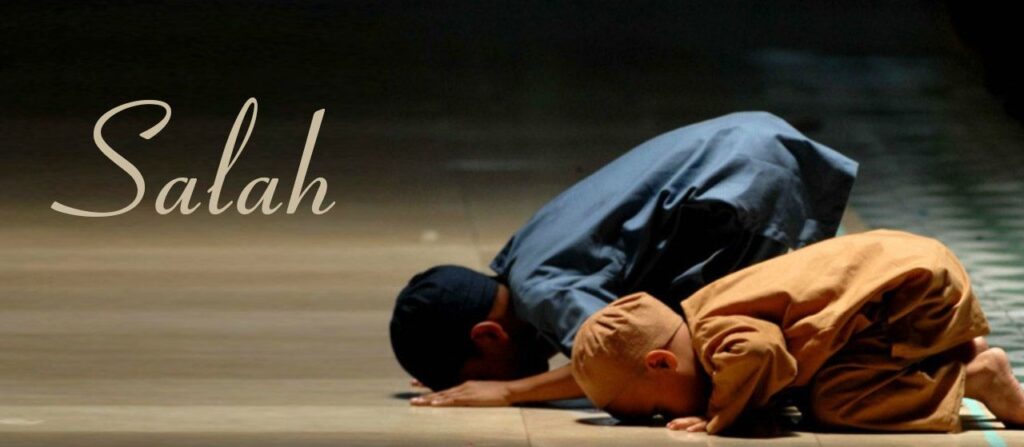
How To Pray
Today we will learn how to pray our Slauwat just Like the beloved prophet Mohamed SAAW.
Salah: The Second Pillar of Islam
Salah is very important. There are five daily prayers.
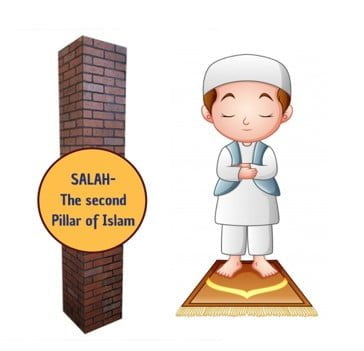
- Salah (Prayer) is one of the pillars of Islam. Muslims have to pray five times a day.
- Salah wipes away sins.
- Salah helps Muslims to remember Allah.
- Muslims perform Salah five times a day.
- Each Salah must be performed at a certain time of the day.
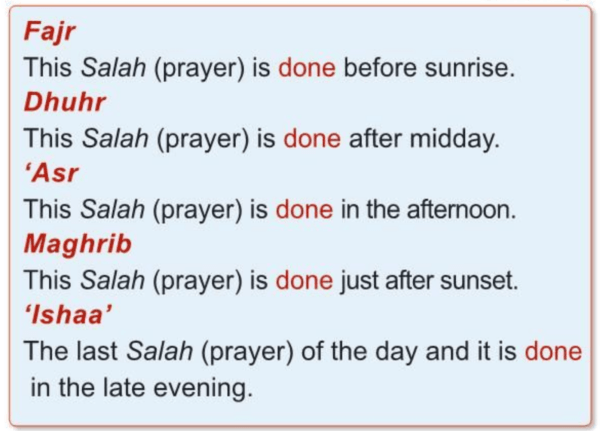
There are five times a day that Muslims must pray.
Fajr
Dhuhr
Asr
Maghrib
Ishaa
Muslims perform Salah five times a day. Each Salah must be performed at a certain time of the day.
Each Salah (prayer) has a number of units called raka’aat. The number of obligatory raka’aat for each
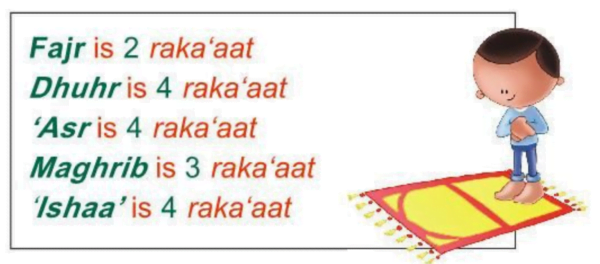
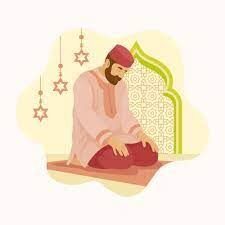
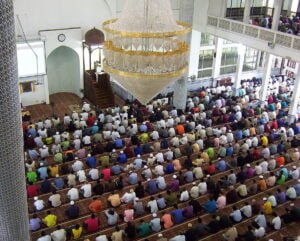
On Fridays, Muslim men must perform the weekly congregational Prayer called the Jumu`ah Prayer. This Prayer replaces the Zhuhr (Noon) Prayer on Friday and it is obligatory for all men to attend it. Women may also perform the Jumu`ah Prayer if they wish, but it is not obligatory for them. This Prayer replaces the regular Zhuhr Prayer. However, if someone is unable to attend the Jumu`ah Prayer, he or she should pray four rak`ahs of Zhuhr. The Prayer is preceded by a sermon called a khutbah, which is delivered in two parts with a short break (about one minute) between the two parts. It is highly recommended to read Surat Al-Kahf (surah 18) and to invoke Allah’s blessings on Prophet Muhammad (peace and blessings be upon him) during the day and night of Friday. It is also highly recommended to supplicate on Friday. It is Sunnah to perform ghusl (cleansing of the whole body) on Friday and to put on clean good clothes before attending the Jumu`ah Prayer. Men (but not women) should also apply perfume before attending the Prayer. The first thing to do in the mosque is to pray two rak`ahs of Sunnah Prayer, known as the tahiyyat or greeting of the mosque. Even if one arrives after the beginning of the sermon, he should pray two short rak`ahs before sitting down. While waiting for the sermon to start, one may recite Qur’an or listen to it being recited. As the time approaches, the muezzin announces the first Adhan. Then the imam goes to the minbar (pulpit), faces the worshipers and greets them with, “As-Salaamu `alaykum!” (Peace be with you!) He then sits down facing the congregants. At this moment, the second Adhan is announced, and the imam begins the sermon. After the sermon, the two rak`ahs of Jumu`ah Prayer are offered in congregation. The imam recites the Prayer aloud.